September 8, 2026
Intro: The Mobile‑First Shift
In 2026, the average smartphone user will spend more than 4.5 hours a day on gaming apps, up from 3.2 in 2024. That jump is not a blip; it reflects deeper changes in how we consume entertainment. Developers are now building games that load in under two seconds, run on mid‑range chips, and sync progress across devices without a cloud account. The result? A playlist of experiences that fit in a coffee break, a train ride, or a lunch hour.
Speed and Accessibility: The Core of On‑The‑Go Playlists
Modern mobile games use adaptive graphics that lower resolution to 720p when battery levels hit 20%. This keeps frame rates above 30fps on a 6‑inch screen, preventing the lag that once plagued low‑end phones. In practice, a new title can be downloaded in under 30 seconds on a 5G connection, and the first level loads in 1.8 seconds on 4G. For players who can’t afford a full‑size console, that difference turns a waiting period into an instant play session.
Another factor is cross‑platform sync. The majority of top titles now support a cloud save that works across iOS, Android, and web browsers. A player who starts a match on their phone can resume on a tablet at home with a single tap, eliminating the need to remember passwords or carry external storage.
Social Integration: Building Communities in a Fragmented World
In 2026, 68% of mobile gamers engage with friends through in‑game voice chat or shared playlists. Developers are embedding Discord‑style servers directly into the app, allowing players to form clans or compete in weekly challenges. This integration reduces the friction that once required switching apps, keeping the social loop tight and the retention high.
Moreover, the rise of “micro‑leaderboards” means that players can see how they rank against friends in real time, even if they’re in different time zones. A recent study by GameAnalytics showed that games with real‑time social feeds see a 12% higher daily active user rate than those that rely solely on email notifications.
Monetization Models: From Ads to Subscription
Advertising revenue per user has plateaued at $0.12 in 2024, but by 2026, developers are shifting toward a hybrid model: a free tier with non‑intrusive banner ads and a $4.99/month subscription that removes ads and unlocks exclusive skins. The subscription model now accounts for 35% of total revenue for the top 20 mobile titles, up from 22% in 2023.
In addition, “play‑to‑earn” mechanics are gaining traction. A few games now allow players to earn in‑app currency that can be exchanged for real money or used in partner e‑commerce stores. While the payout caps at $50 per month, it provides a tangible incentive for casual players to stick around.
Bridge to Online Entertainment
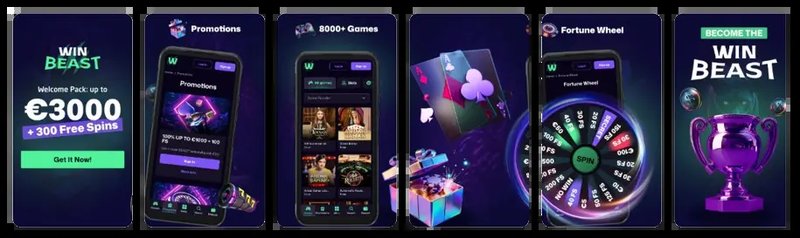
When you’re on the move, the line between gaming and other digital leisure blurs. For example, a quick session of a puzzle game on a train can segue into a night of slots or poker at a favorite online venue. If you’re looking for a place where the same casual vibe meets real‑time competition, you might want to check out WinBeast casino.
Which Path to Choose?
If your priority is instant gratification, pick titles that emphasize quick load times and low‑end hardware compatibility. For social players, look for games that embed real‑time chat and leaderboards. And if you’re open to a blended experience where casual play can lead into a broader entertainment ecosystem, consider platforms that support both gaming and online betting.
In short, 2026 isn’t just another year for mobile gaming; it’s the year when playlists become the standard for on‑the‑go entertainment. The convergence of speed, social features, and flexible monetization means that whether you’re a hardcore strategist or a casual passerby, there’s a game ready for you at any moment of the day.
Frequently Asked Questions
What is the mobile‑first shift in gaming?
It’s the trend of designing games primarily for smartphones, focusing on quick load times, low hardware requirements, and seamless play across devices.
How does the mobile‑first shift benefit gamers?
Gamers enjoy instant access, shorter sessions that fit daily routines, and the ability to continue progress on any device without cloud accounts.